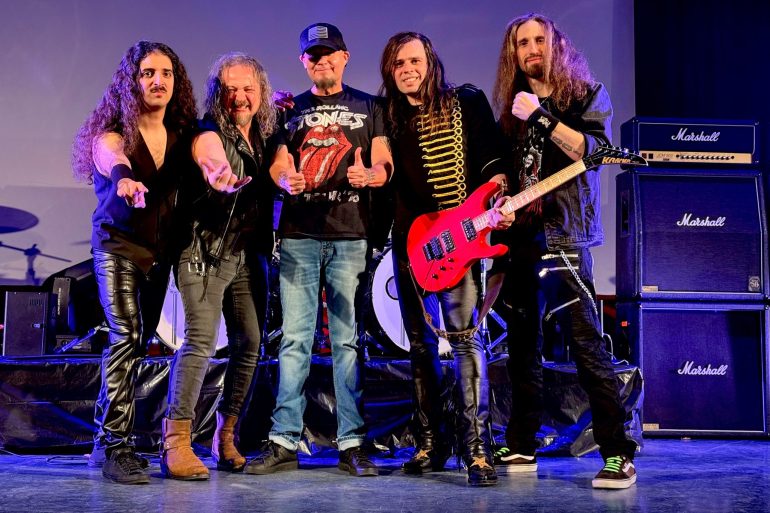
“We always begin with emotion and storytelling”, SISKA
Italian band SISKA returns with Broken Dreams, a single and video exploring fragility, hope, and disillusionment, filmed in Tresigallo, the city that inspired Giorgio de Chirico. Known for its rationalist architecture and metaphysical atmosphere, Tresigallo provides the perfect backdrop for the story of a lonely bride wandering through a world of broken dreams, reflecting the tension between love, loss, and ambition.
By Sandra Pinto
In this interview, the band discusses the creative process that fused music and visuals, their collaboration with vocalist Tim “Ripper” Owens, and the production expertise of Max Norman. They also explain how cinematic and progressive elements shape their approach to heavy metal. From the melancholic grandeur of their melodies to the dialogue between guitars, SISKA shows how visual and architectural concepts are transformed into sonic emotional landscapes, inviting listeners to an immersive experience of reflection and fragile beauty.
Broken Dreams was filmed in Tresigallo, the city that inspired Giorgio de Chirico. How did the city’s surreal architecture influence the visuals and mood of the video?
Tresigallo feels like a suspended dream between past and future. Its rationalist architecture, wide empty spaces, and metaphysical atmosphere naturally created a cinematic mood. The city visually represents beauty, ambition, and fragility — all core elements of “Broken Dreams.”
The video tells the story of a lonely bride wandering through a city of “broken dreams.” How did you translate that story into music and imagery?
We built the song around emotional contrast: intimate, fragile verses followed by a powerful and expansive chorus. Visually, the bride wandering alone through monumental spaces reflects isolation, lost hopes, and the tension between love and disillusion.
How does Broken Dreams connect thematically with the rest of the album?
The album is a conceptual journey through time, memory, resistance, and human vulnerability. “Broken Dreams” represents the emotional turning point where illusion fades and reality emerges.
Working with Tim “Ripper” Owens as a guest vocalist must have been exciting. How did his performance shape the song?
Tim brought extraordinary vocal power and a unique presence. His voice gave the song massive strength, elevating its energy and emotional impact and taking “Broken Dreams” to another level.
The album was mixed and mastered by legendary producer Max Norman. How did his expertise influence the final sound?
Working with Max was a defining experience. He preserved the raw power of heavy metal while adding clarity, depth, and a timeless character to the album.
The band blends classic heavy metal with progressive and cinematic elements. How do you approach balancing these styles in your songwriting?
We always begin with emotion and storytelling. Heavy metal is our foundation, while cinematic and progressive elements expand the atmosphere without losing impact.
The song conveys both melancholy and grandeur. How do you craft melodies that carry such emotional weight?
Through dynamics and contrast — quiet moments against powerful explosions. Emotion always guides our songwriting.
With Mattia Sisca on solo guitar and Marco Fragalà on rhythm, how do you integrate dual guitar parts to enhance the storytelling of your songs?
We treat the guitars like voices in dialogue, using harmonies and counterpoints to strengthen the emotional flow of each song.
Tresigallo is described as a suspended, fragile utopia. How do architecture and visual art inspire your musical concepts?
They shape emotional landscapes. Tresigallo visually expresses suspended dreams and fragile utopias — themes deeply connected to our music.
SISKA has shared the stage with iconic artists like KISS, Whitesnake, and Children of Bodom. How have those experiences shaped your approach to live performance?
They taught us discipline, authenticity, and the importance of truly connecting with an audience. Those experiences shaped our live energy and professionalism.
The album features intricate arrangements alongside powerful vocals. How do you maintain cohesion while exploring cinematic and progressive textures?
Every arrangement serves the story of the album, keeping a consistent emotional and sonic identity throughout.
What was the creative process behind Broken Dreams, from songwriting to recording, especially with the international production team?
It started from conceptual ideas about time and resilience, developed collectively into songs, and refined through an international production process.
Looking ahead, what do you hope listeners feel or experience when watching the video and hearing the song for the first time?
We hope they feel immersed — emotionally transported into an atmosphere of reflection, strength, and fragile beauty.