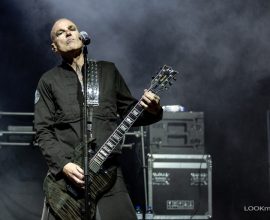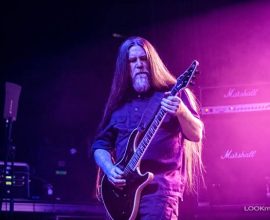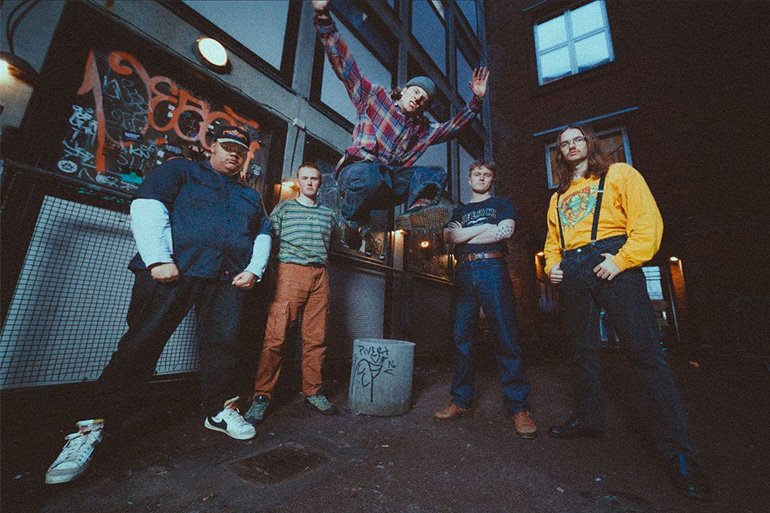
Swartzheim: “The main message really is we just want people to treat each other right and be nice”
Blending metalcore, hardcore, and crossover elements, Swartzheim returns with their highly anticipated debut album, “Wounds”—a record defined by sonic aggression and relentless intensity. Combining new material with reimagined older tracks, the album captures the raw energy of their live performances through a philosophy they call “controlled chaos.” Featuring collaborations with renowned producers Jacob Bredahl and Jack Shirley, and consulting from Arthur Rizk, the band ensured that Wounds reflects both brutal sonic impact and emotional authenticity. Its lyrics tackle everything from societal pressures and climate anxieties to personal struggles and self-conflict, creating a visceral connection with listeners while channeling the chaos of the modern world.
By Sandra Pinto
In this interview, Swartzheim discuss the recording process, the challenge of translating their frenzied live energy into the studio, the creative choices behind each track, and how experiences at massive festivals like Wacken Open Air and Copenhell shaped their approach.
‘Wounds’ blends old and new material. How did you decide which older songs were worth revisiting and reshaping for this record?
They just felt right. When we played them live, in the rehearsal and in the studio and they still felt like bangers.
You aimed for “controlled chaos” in the studio. How do you define that, and was it easier or harder to capture than expected?
Well thanks to Jacob Bredahl (dead rat studios) and Jack Shirley (Atomic Garden) it went a lot easier than expected. We think that controlled chaos is making it sound as live as possible. We didn’t really use a metronome for instance. We didn’t quantize everything. We let the guitars be noise with loads of feedback which we think make them sound alive. No studio magic really to make it sound tight. We also made sure that both guitarist recorded all songs. Usually like with metallica it was only Hetfield who recorded rhythm to make tight. But we wanted something more like Judas Priest painkiller guitar dynamics. You can hear when it’s Downing or Tipton which makes it sound more like the live experience.
Working with Jacob Bredahl, Jack Shirley, and consulting Arthur Rizk, how did each influence the album’s sonic brutality?
Working with Jacob was a dream come true we’re massive fans of the Hatesphere era he was in and many of the records he has produced especially Lifesicks records. It was loads of fun and where both massive SxT fans so we also put a little reference I “Wounds” before the solo. Jack really made it sound brutal which was amazing where also big fans of his work especially on the Gulch records. He hit the nail on the head. Arthur Rizk helped us with the producer talk, because it’s no secret we love Power Trip and we wanted to be clear to Jack about what we wanted. Great honour to work with all these guys.
The album captures aggression toward modern pressures like climate change and societal expectations. How personal are these lyrics versus general commentary?
The lyrics are very general. We like to think that this makes it appeal to more people. The main message really is we just want people to treat each other right and be nice. But some of the songs are also about self-hate in situations where you fuck up and youre fed up with yourself.
How does translating your frantic live energy into a studio recording challenge a band like Swartzheim?
It didn’t really challenge us we just went in and played and it was great.
Tracks like “Spitting Nails” and “Artillery” are relentless. Did any songs surprise you in how they evolved during recording?
We didn’t really have that much time because being in the studio is soooo expensive. So we prepared
everything beforehand.
You’ve already played massive stages like Wacken Open Air and Copenhell without a debut album. How did those experiences shape your approach to Wounds?
They helped us build confidence in playing and letting us know what works and what doesn’t work. We usually always test our songs live before recording to see the reaction and how the crowd acts.
Metal is often about emotional honesty. Which song on Wounds is the most raw and vulnerable, despite the aggression?
Well, they all are really we didn’t want a song to be less than the others. We strived for perfection so there were no fillers both musically and lyrically.
Your sound mixes metalcore, crossover, and hardcore elements. How do you maintain a unique identity while pulling from so many influences?
We don’t really know. We just play and write what we think is cool.
The title track, ‘Wounds,’ sets the tone for the album. What does it mean to you, and why was it the perfect opener?
It’s fast and mean so we thought it would be fitting as an opener. You want an opener to hit you in
the face.
From “No One To Blame” to “Thrown Away,” the album feels relentless. How do you ensure pacing keeps listeners hooked without exhausting them?
We kept it down to 30 minutesish. We would rather have an intense and relentless record than having to put fillers in and mess up the intensity. We wanted it to feel like pure rage and anger that can be stopped or controlled.
If Wounds had a visual identity, what would it look like: grim, chaotic, or something else entirely?
It would be earth. Wounds is chaotic, grim, mean, angry, uncontrolled exactly like the world we live in now. Theres of course good stuff as well, but we have a fear with everything going on right now in the world and it’s more ugly than beautiful.
Having opened for bands like Terror and Power Trip, what’s one lesson you’ve taken from their stage presence into your own performances?
I think we use to have a tendency to get a bit to overwhelmed and humble instead of just acting normal. I remember I tried to chat we Blake backstage from Power Trip but just ended up chocking. So I think good advice don’t get to overwhelmed.
You describe the album as ‘All gas, no brakes.’ Is there a point where pushing that intensity becomes dangerous or exhilarating in equal measure?
No.
Looking forward, how do you see Swartzheim evolving? Will future albums push the aggression ven further, or explore new depths of melody and atmosphere?
Thanks for having us! We will see. The only thing we can promise is, it will be a banger!
Foto: Cecilie Frost