

DESTAQUE , DISCOS , ENTREVISTA , MÚSICA , NEWS , TALKS
The lute is no museum piece: Jozef Van Wissem on his work with Jim Jarmusch
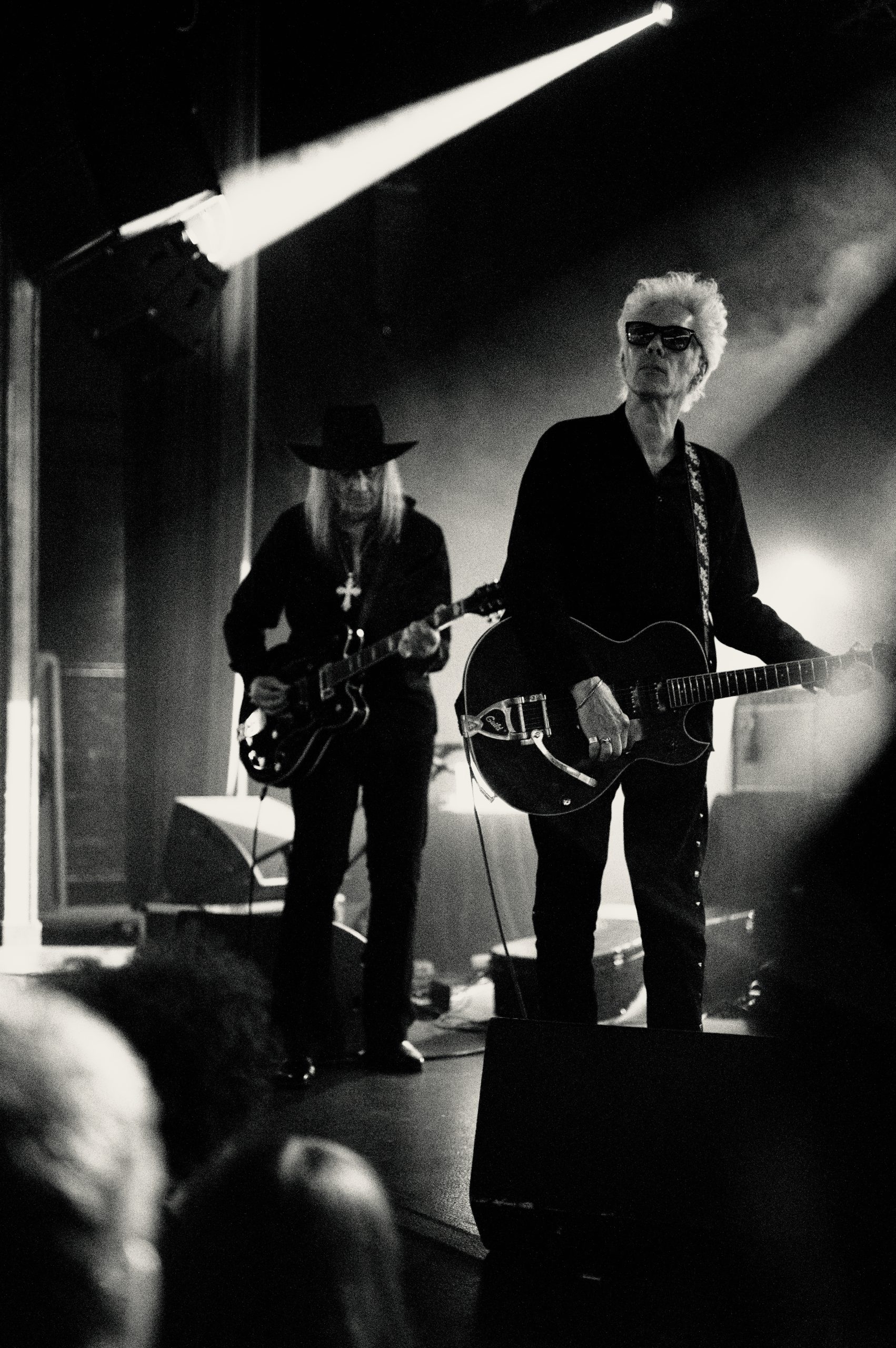
For almost two decades, Jozef Van Wissem and Jim Jarmusch have explored musical territories where the lute, electric guitars and experimental soundscapes coexist without boundaries. Their collaboration continues to evolve, finding new ways of expression as they revisit “Only Lovers Left Alive”, a composition Van Wissem originally wrote in 2012. In this new version, Jarmusch’s acoustic guitar adds a warmer, more intimate dimension to the original melody. Set for release on November 6 via Sacred Bones Records, Bocca di Lupo and Mouth of the Wolf reveal two distinct sides of the recording sessions held in Bologna.
By Sandra Pinto
In this interview with LOOK mag, Jozef Van Wissem discusses the evolution of their collaboration, the freedom of creating without overthinking, and his desire to move the lute beyond its status as a museum piece and give it a new life.
You have spent many years exploring the possibilities of the lute, an instrument with a very strong connection to the past. What still surprises you about it, and what keeps you coming back to it as a musician?
What keeps me coming back is the vast amount of the classical solo lute repertoire, there are always some new pieces to discover. Also the instrument becomes more resonant with age. The reverb inside it improves because of the way the wood ages. I am working on a new concert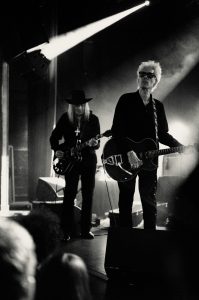 set of compositions for Theorbo, a six foot lute. It feels almost like going back to classical guitar because of the tuning. It also has microphones build inside so you can use electronics. It looks quite heavy metal too.
What keeps me coming back is the vast amount of the classical solo lute repertoire, there are always some new pieces to discover. Also the instrument becomes more resonant with age. The reverb inside it improves because of the way the wood ages. I am working on a new concert
 set of compositions for Theorbo, a six foot lute. It feels almost like going back to classical guitar because of the tuning. It also has microphones build inside so you can use electronics. It looks quite heavy metal too.
You first met Jim Jarmusch on the streets of New York almost two decades ago. Looking back, what do you remember about those early days of your collaboration, and what made you feel there was something worth pursuing musically together?
I remember the energy of New York back then when we met We made pieces for feedback guitar and lute. He approached feedback quite physically too, moving around the amp. We would start to play live in NYC doing this. It was a great adventure.
“Only Lovers Left Alive” was written by you back in 2012 and has remained an important part of your work with Jim. When you returned to the piece for this new recording, did it feel like revisiting an old friend or like discovering the song all over again?
I have played this piece solo on and off at shows of mine, it’s something the audience relates to so I go back to it from time to time. Jim’s adding a beautiful new melody on acoustic guitar, so it becomes something else.
I have played this piece solo on and off at shows of mine, it’s something the audience relates to so I go back to it from time to time. Jim’s adding a beautiful new melody on acoustic guitar, so it becomes something else.
The new version of “Only Lovers Left Alive” is quite different in its atmosphere, with Jim’s acoustic guitar creating a warm counterpoint to your lute. How did this new arrangement come together?
The sessions in Bologna where we recorded this version were kind of intense. We played this new acoustic version after we had done two heavy long electric drone pieces. So coming out of that to me it was more of a serene moment. Like the sun coming out after a long rainstorm.
The sessions in Bologna where we recorded this version were kind of intense. We played this new acoustic version after we had done two heavy long electric drone pieces. So coming out of that to me it was more of a serene moment. Like the sun coming out after a long rainstorm.
Bocca di Lupo and Mouth of the Wolf were recorded during the same sessions in Bologna, but they ended up becoming two very different records. What was happening in the studio that led you to separate the material into two albums?
We decided afterwards to release them as two different records. The two pieces on Mouth Of The Wolf being these long form hypnotic drone pieces stand out as a different world. It’s something to get lost in.
The two tracks on Mouth of the Wolf grew out of your live performances and were recorded with two electric guitars. What changes when you take something that exists on stage and bring it into the studio?
In the studio you do more takes. You can add layers. It’s different.
“Never Like You Said”, with Courtney Barnett, seems to have come together almost instinctively, with the lyrics arriving in a single take. Do you generally prefer leaving room for these unexpected moments when you are recording?
Yes. With Jim I usually play my 12 string electric guitar in alternate tuning but the airline had lost it when I flew into Bologna. It took a few days to arrive. So the studio gave me a 6 string Fender Telecaster to use in the meantime. This is why my part of that riff sounds that way. We started with a beat and that guitar riff. Then Jim came up with the lyrics. It all happened very quick.
Your music brings together things that, on paper, seem worlds apart — early music, drone, experimental rock, psychedelia, minimalism and blues. Do you think of these influences consciously when composing, or do they simply find their way into the music?
No I don’t think about this during composing. I prefer not to think. During composing I try to be empty and open for melodies floating around. They will find a way.
There is something timeless about the combination of the lute and the darker, more expansive sounds you explore with electric guitars and drones. What interests you about placing an instrument from another era inside a contemporary, sometimes very heavy, musical landscape?
By doing that I am updating the lute. I try to place it in a new context so it gets a new life. People thinks it’s a museum piece. It’s not. I try to give it a new identity. A pop instrument if you will.
After almost two decades of making music with Jim Jarmusch, is there still a sense of unpredictability when you enter the studio together? And what would you like to explore next that you haven’t explored yet?
It’s always unpredictable. I would like play live with him in cities we haven’t been.


